Ayahuasca vs Other Plant Medicine: Mushroom, Iboga, Comparison


Ayahuasca vs. Other Plant Medicines: A Guide from Our Ayahuasca Retreat Bali


The air in the Ubud forest hangs thick and humid, scented with frangipani and the faint, earthy aroma of recent rain on volcanic soil. Here, beyond the familiar world of schedules and screens, a different kind of dialogue begins—one with the self, facilitated by the ancient intelligence of sacred plants. For the discerning traveler drawn to this work, the first question is often the most critical: which path is the correct one? See also: Ayahuasca Retreat Bali Sacred.

A Discerning Guide to Plant Medicine: Ayahuasca, Psilocybin, and Iboga from an Ayahuasca Retreat Bali Perspective

Ayahuasca vs Other Plant Medicine: Mushroom, Iboga, Comparison

The contemporary wellness landscape presents a complex cartography of psychoactive botanicals. The language surrounding them can be esoteric, the choices overwhelming. From the Amazonian vine to the African root, each plant medicine offers a distinct modality for introspection and healing. This guide is designed to provide clarity, comparing three of the most profound teachers—Ayahuasca, Psilocybin, and Iboga—to help you align your personal intention with the appropriate ceremonial experience. Understanding these differences is the foundational step before committing to a shamanic retreat in Bali or anywhere else in the world. See also: Contact pricing.

Understanding the Ayahuasca Ceremony in Bali: The Vine of the Soul

Ayahuasca is not a single plant but a potent brew, a combination of two distinct botanicals from the Amazon Basin. Traditionally, it involves the Banisteriopsis caapi vine, which contains harmala alkaloids, and the leaves of the Psychotria viridis shrub, which provide the powerful psychoactive compound N,N-Dimethyltryptamine (DMT). The genius of the indigenous traditions that developed this medicine over millennia lies in this combination; the B. caapi acts as a monoamine oxidase inhibitor (MAOI), allowing the DMT to become orally active and guiding the participant through a profound, extended visionary state. An ayahuasca ceremony bali is a deeply immersive experience, typically lasting between four and eight hours.

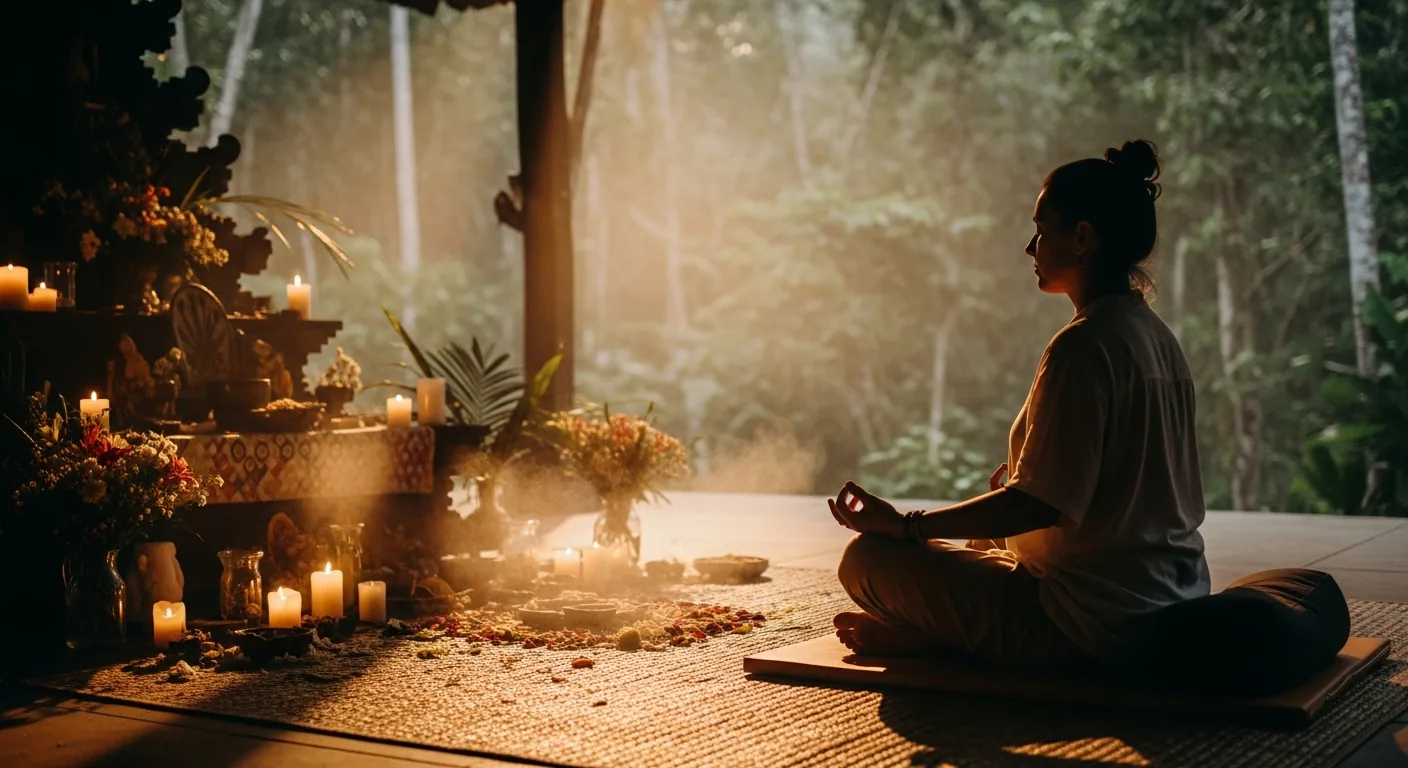
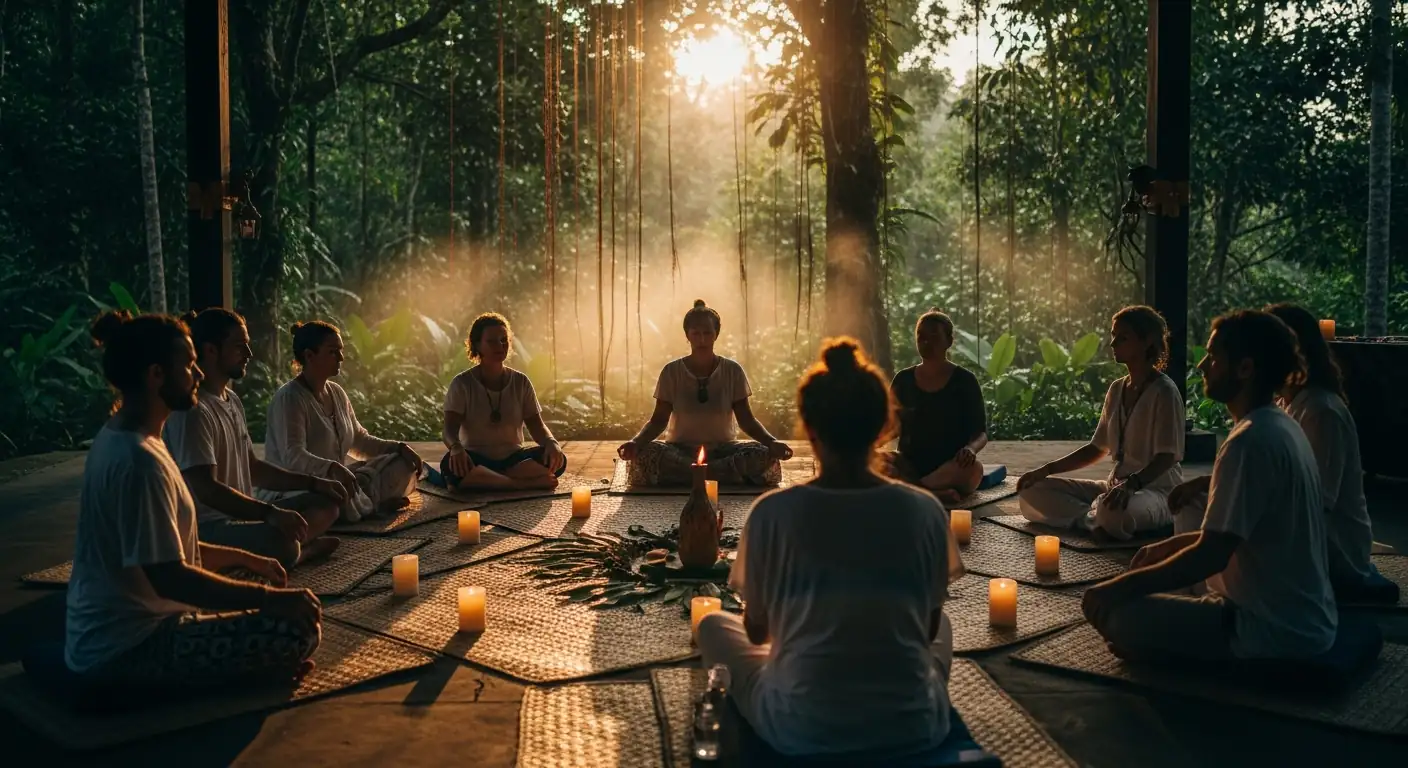
The ceremony itself, as facilitated at our Ubud ayahuasca sanctuary near the Petanu River, is a highly structured container. Guided by experienced facilitators trained in traditions like the Peruvian Shipibo lineage, the ceremony is held in sacred space, often at night. The experience is frequently characterized by deep emotional purging (both physical and psychological), intricate geometric visions, and direct encounters with what many describe as a guiding plant intelligence. Ethnobotanist Dennis McKenna, a leading voice in this field, has extensively documented Ayahuasca’s complex pharmacology. The intention for working with Ayahuasca often revolves around healing deep-seated trauma, dissolving limiting belief systems, and gaining profound spiritual insight into one’s life purpose. A comprehensive, 7-day program at a reputable ayahuasca retreat bali can range in price from $2,500 to $5,500 USD, inclusive of preparation, multiple ceremonies, and crucial integration support.

Psilocybin Mushrooms: The Cerebral Architect of Bali Plant Medicine

While Ayahuasca is often described as an external journey—a dialogue with a teacher—Psilocybin is frequently perceived as more of an internal architect, rearranging the furniture of the mind. Derived from various species of fungi, most notably those of the Psilocybe genus, its active compounds are psilocybin and psilocin. The experience is typically shorter than Ayahuasca, lasting four to six hours, and is often less physically demanding. See also: book Facilitators Team.

The therapeutic potential of psilocybin is now at the forefront of Western scientific inquiry. The Center for Psychedelic and Consciousness Research at Johns Hopkins University, founded in 2019 with a $17 million grant, is producing significant research on its efficacy for treating depression and anxiety. This clinical interest is mirrored by legislative changes, such as Oregon’s Measure 109, which was passed in November 2020 to create a regulated therapeutic psilocybin program. In a ceremonial context, psilocybin can foster profound states of interconnectedness, ego dissolution, and creative insight. Unlike the often-directive nature of an Ayahuasca journey, a psilocybin experience can feel more self-navigated, making it a powerful tool for those looking to explore consciousness, overcome creative blocks, or examine personal thought patterns from a new perspective. See also: Ayahuasca Retreat Bali Sacred About.

Iboga: The Root of Profound Bwiti Tradition

Originating from the rainforests of West-Central Africa, Iboga is arguably the most intensive and formidable of these three plant medicines. The psychoactive properties are derived from the root bark of the Tabernanthe iboga shrub, which contains a complex array of alkaloids, most notably ibogaine. It is the central sacrament of the Bwiti spiritual discipline in Gabon and Cameroon, used in initiation rites and healing ceremonies.

The Iboga experience is a marathon, not a sprint. Its effects can last for 24 to 36 hours, demanding significant physical and mental fortitude. It is known for inducing a state of oneiromancy, or waking dream, where individuals often experience a panoramic and dispassionate review of their life events. This “life review” is a key aspect of its therapeutic power. Ibogaine has gained significant attention in the West for its remarkable potential in interrupting substance addiction, a property extensively studied by organizations like the Multidisciplinary Association for Psychedelic Studies (MAPS), founded in 1986. Due to its intensity and effect on the cardiovascular system, an Iboga ceremony or treatment requires rigorous medical screening and supervision. This is not a casual undertaking; medically supervised Ibogaine treatments frequently cost between $8,000 and $15,000 USD, reflecting the intensive level of care required.

Comparative Analysis: A Table for Clarity in Your Shamanic Retreat Bali Selection

To distill these complexities, the table below offers a direct comparison of the core attributes of each plant medicine. This framework can serve as a valuable tool when considering which bali plant medicine experience aligns with your personal goals.

Attribute Ayahuasca Psilocybin Mushrooms Iboga
Primary Psychoactive DMT (N,N-Dimethyltryptamine) & Harmala Alkaloids Psilocybin & Psilocin Ibogaine & other alkaloids
Geographic Origin Amazon Basin (Peru, Brazil, Colombia) Global (Mesoamerica prominent) West-Central Africa (Gabon)
Typical Duration 4-8 hours 4-6 hours 24-36 hours
Ceremonial Context Group setting, guided by a shaman (curandero), often with icaros (sacred songs). Varies widely; can be solitary, therapeutic, or in group settings. Highly structured Bwiti initiation or intensive medical detox.
Commonly Reported Effects Visionary, emotional purging, spiritual connection, ego dissolution. Visual, cerebral, enhanced introspection, altered perception of time. Life review (panoramic memory), physical reset, intense introspection.
Approximate Program Cost (USD) $2,500 – $5,500 (7-10 day retreat) $1,500 – $4,000 (5-7 day retreat) $8,000 – $15,000 (medically supervised)

Choosing Your Path: Intention as the Decisive Factor for an Ubud Ayahuasca Experience

The most critical element in selecting a plant medicine is your intention. What question are you bringing to the ceremony? The concept of “set and setting,” first articulated by Timothy Leary’s research group at Harvard in the early 1960s, remains the foundational principle of psychedelic work: your mindset and the physical/social environment are paramount. Your intention is the core of your mindset.

  • For deep spiritual inquiry and emotional release: Ayahuasca is often the most direct path. Its nature as a powerful “teacher” plant guides participants through complex emotional and spiritual landscapes, revealing patterns and offering profound healing. It is particularly suited for those seeking to address root causes of suffering.
  • For exploring consciousness and creativity: Psilocybin is frequently described as less directive, allowing for more personal navigation of the psychedelic space. It can be a powerful ally for artists, thinkers, and anyone looking to break through mental rigidity and access novel ways of thinking.
  • For profound life resets or addiction interruption: Iboga is a specialized and serious undertaking. It is a powerful tool for individuals facing deeply entrenched patterns of behavior, particularly substance dependency, and requires a significant commitment to preparation and integration.

Why Bali? The Unique Energetic Signature for an Ayahuasca Ceremony Bali

The location of a retreat is far more than a backdrop; it is an active participant in the healing process. Bali, known as the “Island of the Gods,” possesses a unique energetic signature conducive to deep spiritual work. This is rooted in the island’s living philosophy of Tri Hita Karana—the harmony between the human world, the natural world, and the divine. This ethos permeates daily life and imbues the land with a palpable sense of the sacred. Ubud, in particular, has been a center for healing for centuries; its very name derives from the Balinese word ubad, meaning medicine. Historical accounts trace its spiritual origins to the 8th century, when the Javanese priest Rsi Markendya meditated at the confluence of the Wos rivers. This long history makes an ayahuasca retreat bali a uniquely supported experience, held by a culture that understands the unseen realms.

Preparation and Integration: The Pillars of a Meaningful Shamanic Retreat Bali

The ceremony itself is only one part of the process. True, lasting transformation is built upon the pillars of diligent preparation and dedicated integration. Before an ayahuasca ceremony, participants are required to follow a specific protocol known as the dieta. This involves abstaining from certain foods (pork, fermented foods, excessive salt, and sugar) and behaviors to purify the body and mind, making them more receptive to the medicine. Psychological preparation is equally vital—clarifying your intention and cultivating a mindset of surrender and trust.

Post-ceremony integration is perhaps the most crucial phase. The insights gained during the experience are seeds; integration is the process of tending to them so they may grow into lasting change. As the physician Dr. Gabor Maté, renowned for his work on trauma, suggests, these experiences can provide a glimpse of a state free from traumatic imprints, but the real work is integrating that state into daily life. At Ayahuasca Retreat Bali Sacred, we provide a structured integration program to help you translate profound insights into actionable, sustainable shifts in your life.

Your Invitation to a Sacred Ayahuasca Ceremony in Ubud

The path of plant medicine is not a casual undertaking or a form of escapism. It is a deliberate and courageous step toward profound self-knowledge and healing. It requires respect, preparation, and expert guidance. At Ayahuasca Retreat Bali Sacred, we provide a container of impeccable safety, authentic tradition, and compassionate, experienced facilitation for this sacred work. Our retreats are intentionally intimate, limited to 12 participants to ensure each individual receives personalized attention and support.

If you feel called to explore the depths of your consciousness with this sacred Amazonian medicine, we invite you to begin a conversation with us. To inquire about our upcoming retreat dates or to speak directly with a facilitator about your intentions and whether our ayahuasca retreat bali is the right fit for you, please contact us.

Ayahuasca Retreat Bali Sacred

Office: Jalan Sunset Road No. 88, Kuta, Badung, Bali 80361

Phone: +62 811 3941 4563

Email: bd@juaraholding.com


Scroll to Top