A First-Timer’s Guide to an Ayahuasca Retreat Bali: Preparation, Safety, and Ceremony

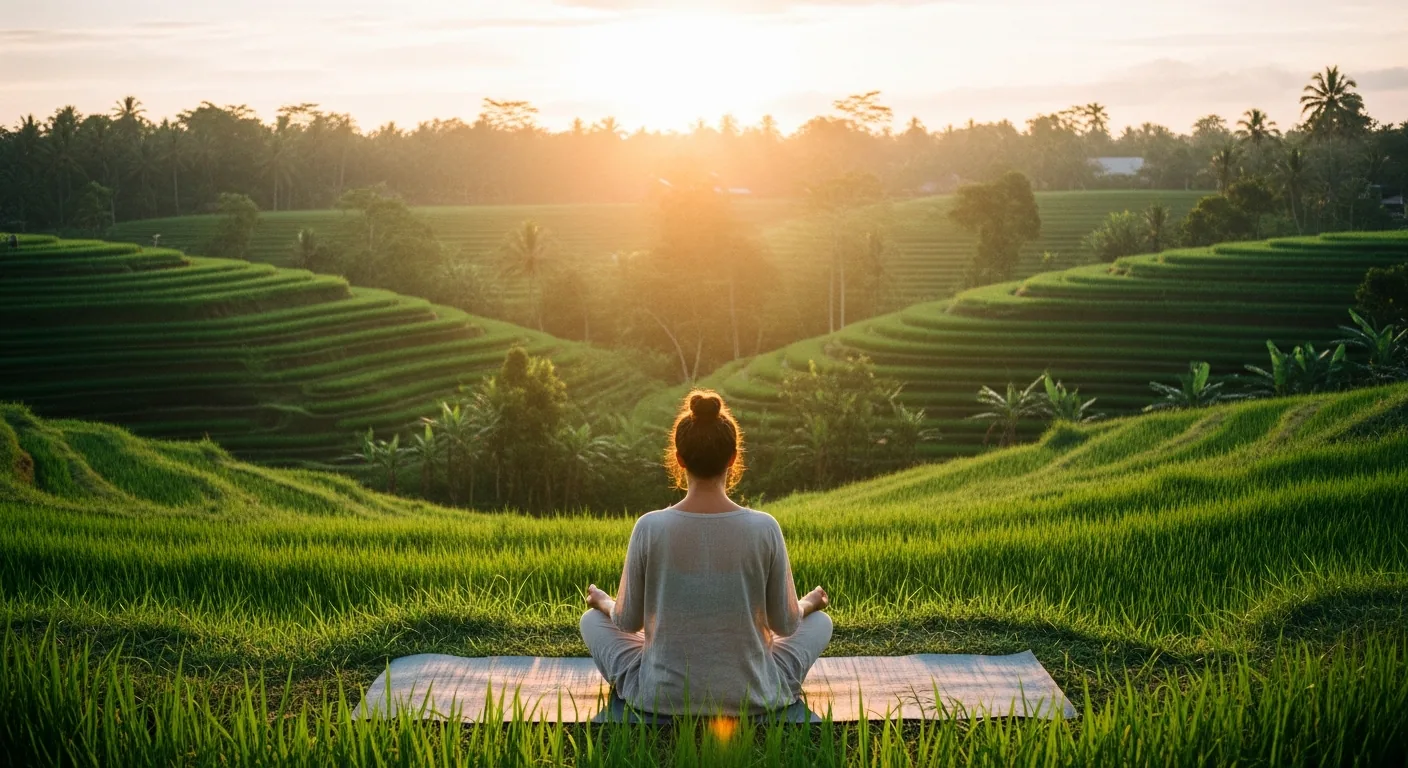
The air in the Ubud forest, dense and fragrant with frangipani and damp earth, hangs heavy as the sun dips below the canopy. The cicadas begin their nightly chorus, a sound that has become the metronome for a different kind of time. Here, a few kilometers from the bustling Jalan Raya Ubud, the modern world feels not just distant, but irrelevant. This is the setting for a profound encounter, one that requires more than a passport and a ticket: a ceremony with ayahuasca, the sacred plant medicine of the Amazon, now finding a quiet home in Bali’s spiritual heartland. See also: Contact pricing.
For the discerning traveler drawn to this experience, the path is rarely clear. How does one navigate the complexities of a sacred tradition in a new cultural context? What separates a genuine, safe container from a precarious imitation? The questions of preparation, safety, and what to truly expect are paramount for any first-time participant considering an ayahuasca ceremony bali. This is not a casual wellness activity; it is a deep, introspective process that demands respect, research, and readiness.
Understanding Ayahuasca in the Balinese Context
While ayahuasca’s roots are firmly planted in the Amazon Basin, its practice has expanded to spiritual enclaves worldwide, including Bali. Here, the tradition is not indigenous but imported, curated by experienced international and Indonesian facilitators who often blend Amazonian shamanism with elements of Balinese and other spiritual philosophies. The brew itself is typically consistent with tradition, a combination of the Banisteriopsis caapi vine (which contains the monoamine oxidase inhibitors, or MAOIs) and the leaves of the Psychotria viridis shrub (which contains N,N-Dimethyltryptamine, or DMT). The MAOIs in the vine allow the DMT to become orally active, facilitating the profound visionary experience.
It is critical to understand the legal landscape. Under Indonesia’s Law No. 35 of 2009 on Narcotics, DMT is classified as a Class 1 substance. Consequently, these ceremonies are not advertised publicly. They operate in private, closed-door settings, accessible only through trusted networks and rigorous vetting. This legal gray area makes your choice of retreat not just a matter of preference, but of paramount personal safety. A reputable shamanic retreat bali will prioritize discretion and the security of its participants above all else, operating from a secluded private property, often near the lush ravines of the Petanu River.
Vetting Your Facilitators: The Most Critical Decision
The single most important factor for a safe and beneficial ayahuasca experience is the integrity and experience of the people guiding it. A facilitator, or shaman, is not merely serving a substance; they are holding the energetic and psychological space for a group of people in highly vulnerable states. Their skill, groundedness, and ethical framework are non-negotiable. See also: explore Facilitators Team.
Dr. Alistair Finch, a cultural anthropologist who has studied neoshamanic practices for over 15 years, advises a stringent vetting process. “A facilitator’s lineage is your first point of inquiry,” he notes. “Have they undergone a rigorous, multi-year apprenticeship, typically in a traditional context like the Shipibo-Conibo tradition of Peru? Or are they self-taught? The difference is profound.” See also: Ayahuasca Retreat Bali Sacred.
When evaluating an ubud ayahuasca retreat, consider these key criteria:
- Experience and Training: Seek facilitators with a minimum of a decade of dedicated practice who have served medicine in at least 500 ceremonies. Ask about their training, their teachers, and their ongoing commitment to learning.
- Screening Process: A responsible retreat will have a comprehensive application process that includes detailed medical and psychological questionnaires. They must screen for contraindications, particularly heart conditions, severe psychological disorders (like schizophrenia or bipolar disorder), and the use of certain pharmaceuticals, especially SSRIs, which can be dangerous when combined with the MAOIs in ayahuasca.
- Facilitator-to-Participant Ratio: For a ceremony with 10-15 participants, there should be at least two lead facilitators and several experienced assistants. This ensures everyone receives adequate attention and support if they encounter difficulties.
- Cost and Value: Be wary of unusually low prices. A professionally managed 7-day, all-inclusive retreat in Bali, which includes multiple ceremonies, integration support, accommodation, and meals, typically ranges from $2,800 to $5,500 USD. This price reflects the cost of experienced guides, proper medical oversight, and a safe, private location.
The ‘Dieta’: A Three-Week Protocol for Body and Mind
Preparation for an ayahuasca ceremony begins weeks before you arrive in Bali. The ‘dieta’ is a traditional preparatory regimen designed to cleanse the body and quiet the mind, making them more receptive to the medicine. Adherence is not optional; it is a fundamental aspect of the practice that demonstrates respect for the plant and prioritizes your physical safety. Most facilitators recommend starting the dieta at least one week prior, with a 21-day period being the ideal. See also: Ayahuasca Retreat Bali Sacred.
The physical diet primarily involves eliminating foods high in tyramine, an amino acid that can cause a hypertensive crisis when mixed with MAOIs. This includes:
- Red meat (especially pork)
- Fermented foods (aged cheese, soy sauce, tofu, miso, kombucha)
- Alcohol and caffeine
- Refined sugars, excessive salt, and spicy foods
- Overripe fruits
The focus should be on a simple, clean diet of fresh vegetables, grains, lean poultry, and fish. Beyond food, the dieta is also a mental and spiritual preparation. This involves reducing external stimuli—less social media, news, and violent entertainment—and turning inward. Practices like meditation, journaling, and spending time in nature are encouraged. The central practice is setting an intention: a clear, heartfelt question or purpose for engaging with the medicine. This intention will act as your anchor during the ceremony.
Navigating the Ceremony: The Ubud Ayahuasca Experience
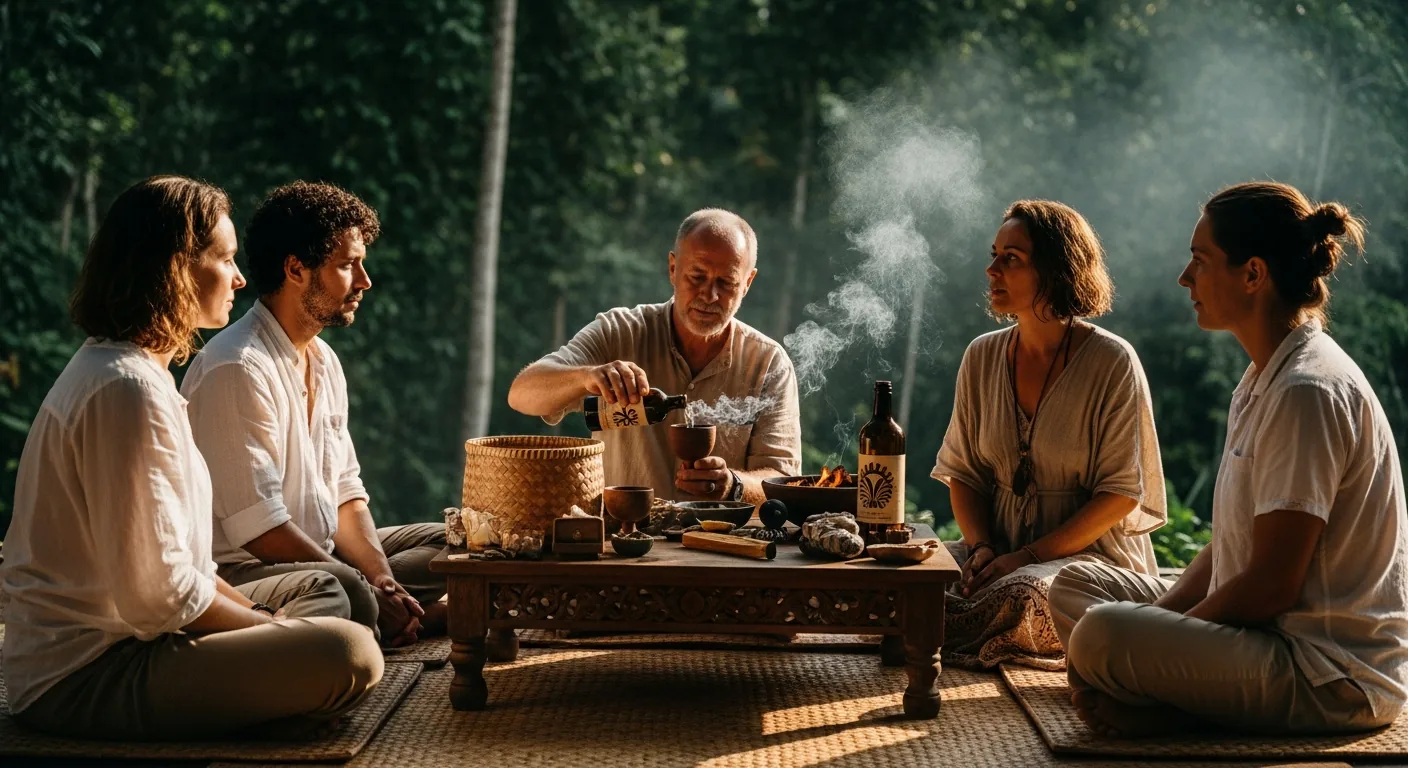
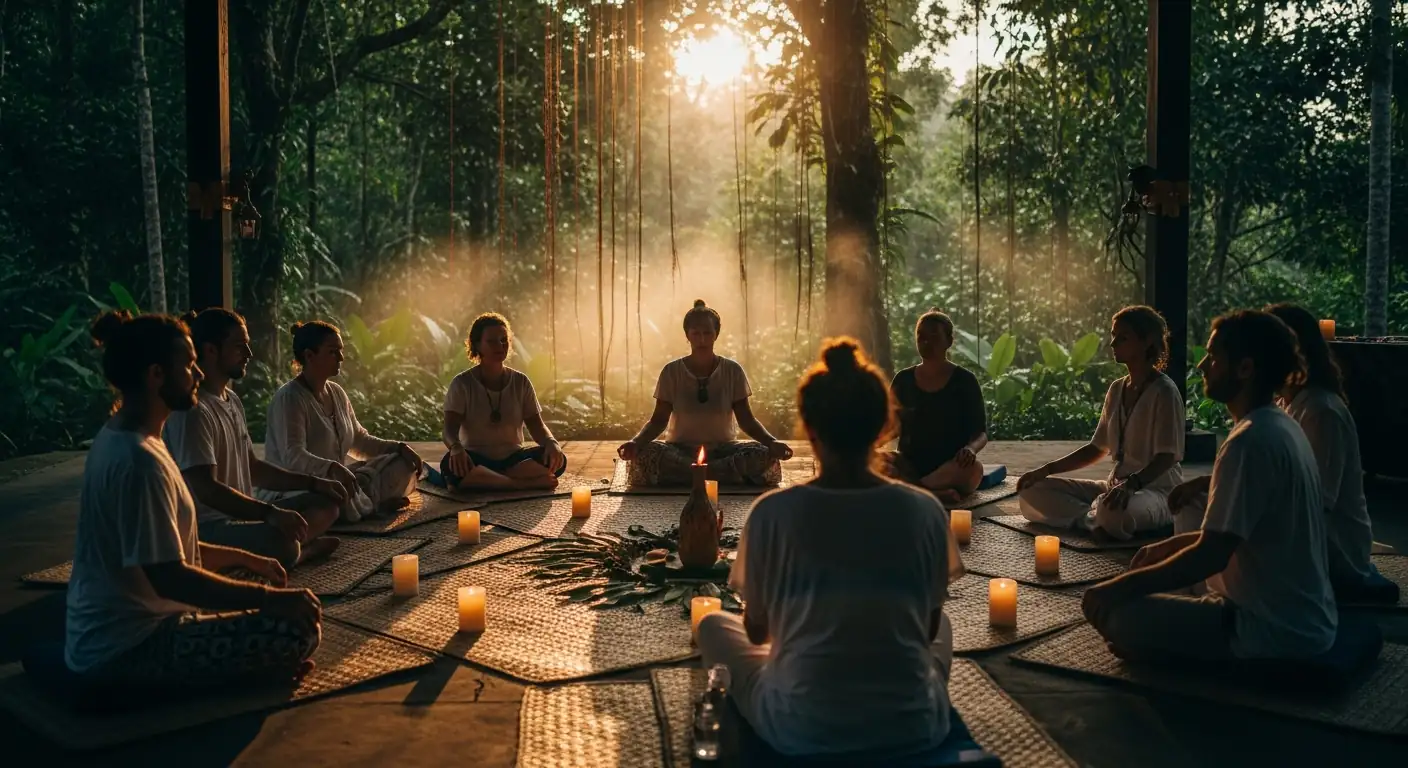
Ceremonies are typically held at night in a dedicated circular space known as a *maloca*. You will be assigned a mattress, blanket, pillow, and a bucket (for purging). The ceremony begins with the facilitator opening the sacred space, often with prayers and the burning of mapacho (sacred tobacco) or palo santo. Each participant is then called up one by one to receive a small cup of the medicine, which is a thick, earthy-tasting liquid.
After about 30 to 60 minutes, the effects begin. The primary role of the shaman becomes auditory; they will sing *icaros*, the sacred songs of the plants. These songs are not background music; they are considered the primary tool for guiding the ceremony, clearing negative energy, and navigating the visionary realms. The experience is deeply personal and varies for everyone. It can involve profound insights, emotional release, and encounters with archetypal imagery. It can also be challenging, bringing up difficult memories or patterns to be faced and cleansed.
A key part of the process is “la purga,” or the purge. This often involves vomiting or diarrhea and is viewed not as a negative side effect but as a vital physical and energetic release of stored toxins and emotional blockages. The ceremony typically lasts between four and six hours, beginning around 8:00 PM and concluding around 2:00 AM. Facilitators and their assistants remain present throughout, offering support, but the core work is internal.
A Practical Packing List for a Profound Experience
Packing for a bali plant medicine retreat goes beyond typical travel essentials. Your luggage should support comfort, introspection, and respect for the ceremonial environment.
- White or Light-Colored Clothing: Several sets of loose, comfortable clothing made from natural fibers. White is traditionally worn in many spiritual practices to represent purity and neutrality. Layers are essential, as body temperature can fluctuate.
- Journal and Pen: Indispensable for capturing the fleeting, often symbolic insights that arise during and after the ceremony. Documenting your experience is a foundational part of the integration process.
- A Reusable Water Bottle: Staying hydrated is crucial, both before and after the ceremony. Most retreats will provide filtered water.
- A Personal Totem or Sacred Item: A small object that holds personal significance—a crystal, a photograph, a piece of jewelry—can serve as a physical anchor for your intention during the ceremony.
– Headlamp with a Red-Light Setting: To navigate the dark *maloca* to use the restroom without disrupting the sensitive vision of others with bright white light.
Integration: The Essential Work After the Ceremony Ends
The insights gained during an ayahuasca ceremony can be transformative, but only if they are properly integrated into daily life. The days and weeks following your retreat are just as important as the ceremony itself. This is when the “work” truly begins: making sense of the experience and translating its lessons into lasting change. A retreat’s commitment to integration is a key indicator of its quality.
Without a structured integration process, profound revelations can fade like a dream. Look for a retreat that offers more than a single morning-after sharing circle. A comprehensive program provides the tools and support needed to ground your experience. Below is a comparison of what to look for.
| Feature | Basic Retreat Offering | Comprehensive Retreat Offering (Recommended) |
|---|---|---|
| Post-Ceremony Support | One group sharing session the morning after the final ceremony. | Multiple integration circles, one-on-one check-ins with facilitators, and guidance for journaling. |
| Aftercare Program | A simple follow-up email, if any. | A structured 4-week online integration program, including group video calls and guided practices. |
| Community Network | No formal network provided. Participants may exchange contact info. | Access to a private, moderated online community for alumni to share experiences and offer ongoing support. |
| Professional Resources | A generic handout with vague suggestions. | A curated list of recommended therapists, integration coaches, and reading materials tailored to your needs. |
Choosing an ayahuasca retreat bali is a significant decision that requires careful consideration. By prioritizing safety, thoroughly vetting your facilitators, and committing to both preparation and integration, you create the conditions for a truly meaningful and constructive experience. This is not a shortcut to enlightenment, but a powerful tool for deep self-exploration when approached with humility, respect, and courage.
Begin Your Inquiry
For those ready to take the next step with a retreat that prioritizes safety, tradition, and comprehensive integration, we invite you to begin a confidential conversation with our team. We can answer your specific questions and help you determine if this path is right for you.
Brand: Ayahuasca Retreat Bali Sacred
Phone: +62 811 3941 4563
Email: bd@juaraholding.com
Office: Jalan Sunset Road No. 88, Kuta, Badung, Bali 80361